ADA_23_olives

Averted Disaster Award 2023

Special Recognition

Prepared International (PPI)

The Professional Dialogue:

Strengthening Cross-Border Cooperation through Disaster Diplomacy

The current war activities between Israel and the Hamas underlines how crucial it is to find ways to save lives across conflict lines and support the civilian population. The “Professional Dialogue on emergency preparedness and lifesaving between Jordan, Israel and Palestine”, also known as the “Professional Dialogue”, is a unique disaster risk diplomacy scheme aimed at strengthening cross border disaster preparedness and response coordination in the Jordan, Israel, and Palestine (JIP) area with the end goal of saving and protecting lives. This intervention has significantly impacted the disaster-prone area and the conflict-affected communities in JIP, by utilizing the principles of disaster diplomacy to foster collaboration and address the unique challenges of the region.

Origins and Goal

The project was founded in 2013 by the Director of Prepared International (PPI) – a expert group founded by members of the humanitarian emergency management field to support communities – Dr. Albrecht Beck, while working for the United Nations Office for the Coordination of Humanitarian Affairs (UN OCHA). Dr. Beck started the negotiations in 2011, a time in which communication between the three emergency management systems was almost non-existent. These efforts translated into a series of bilateral training courses, kindly facilitated by Dr. Beck on behalf of UN OCHA, which initiated the disaster diplomacy project to better prepare the region and international assistance for a natural hazard event in the region, specifically, a large-scale earthquake event. As statistics demonstrate, there is a strong probability of an earthquake (M 6+) to occur along the Dead Sea Fault (DSF) Zone over the current decade, and the 2023 earthquake on the Türkiye – Syrian border is thought to have accelerated the likability of such an event to happen. Ultimately, the project aims to protect vulnerable communities in the JIP region, facilitate local cooperation, and enable international teams to assist affected populations and enable response in no-man’s land. Day to day cooperation in simple accidents, as well as coordination in mass-disaster events and during conflict, are all part of the dialogue’s focus.

Focus and Achievements

The project focuses on further strengthening collaboration among the three entities in disaster preparedness, supporting regional capacity building for earthquakes and floods, and supporting the response preparedness level of the humanitarian actors on the ground. Efforts towards this end culminated in March 2023, with the conduct of a large-scale field exercise in JIP, marking a milestone during the tenth anniversary of the dialogue. It was during this time that the three local entities cooperated with one another and the international community with utmost respect, and with the common understanding that without regional collaboration no one could unilaterally respond effectively and deliver timely humanitarian assistance to affected populations. Common SOP for enabling assistance across borders in the region were agreed on. Authorities came together several times for Table-Top simulations. Most importantly, such milestone was followed up by a second agreement on further solidifying the diplomatic efforts worth a decade of time. Because of this, Prepared International thanks each stakeholder for their outstanding commitment and perseverance through all this time, and will continue to support the three parties.

Key Events and Lessons

The exercise in March 2023 provided an opportunity to gain important lessons to implement in the next phases of the project implementation.

  •   The cycle of conflict and disaster is often revered when it comes to the growing number of failed and failing states. Without strategically designed disaster diplomacy, it will not be possible to break this cycle.
  •   It is critical to prepare disaster risk experts for the diplomatic work around such projects. For diplomacy projects heavily focused on disaster risk, diplomats are not the most suitable candidates.
  •   Trust is everything. From the beginning, it is key to establish trust between all stakeholders and to prepare them to leave their comfort zones. It is helpful to have one focal point in the project, with one line of contact who can organize, manage the project and see the big picture, just like PPI has done for the Professional Dialogue

·   Finally, the best way to approach such a project is through a two-ways approach: top-down and bottom-up. Bringing together high-level personnel, who accept and learn to trust the project, and operational personnel, who work on the field level and cooperate with other stakeholders, is beneficial in reaching all levels of governance.

Promoting Cooperation and Understanding

This disaster risk diplomacy intervention allowed for developing a sense of mutual understanding and cooperation, thus enabling international teams to reach the Palestinian population during the response phase of a disaster. This milestone has provided a foundation for numerous preparedness projects in the region, since at the very beginning, most of the organizations were still “enemies”. In fact, contact was largely forbidden, which severely hindered any possibility of communication and cooperation during a disaster. Nowadays, after ten years and despite political tensions in the region, direct cooperation across conflict lines in the emergency and preparedness community takes place daily.

Disaster Diplomacy and Civil Protection Cooperation

The role disaster diplomacy played in all this in undoubted. Disaster diplomacy, at its core, is the utilization of disasters as a catalyst for diplomatic engagement, conflict resolution, and cooperation. It recognizes that during times of crises, political barriers can be transcended, and common interests in saving lives can create opportunities for dialogue and collaboration. Civil protection cooperation is the result in this case, of diplomatic efforts. It refers to the collaborative efforts and measures taken by different governmental entities to prevent, prepare for, respond to, and recover from disasters, coordinating with emergency management organizations, first responders, and humanitarian organizations.

Having worked in the field of disaster diplomacy and civil protection cooperation for years, PPI became a leading promoter in the fields. With a deep understanding of the complexities surrounding disaster management, PPI offers expertise in various areas, including civil protection, disaster diplomacy, climate change activities, violence and conflict resolution, food security and health. The organization’s comprehensive approach encompasses strategic planning, risk assessment, capacity development, policy development, investment plans, and more. PPI recognizes the significance of disaster risk diplomacy as a crucial aspect of its work, understanding that effective disaster management goes beyond technical solutions. By integrating disaster risk diplomacy into their projects, PPI aims to foster collaboration, dialogue, and cooperation among diverse stakeholders, including governments, international organizations, and local communities. Especially now, in times of climate-change, professional, well-planned disaster diplomacy and work in fragile and conflict-striven areas is getting more important than ever. The current situation in the Middle East even more shows the need for professional approaches, but also for donor support for it.

Albrecht Beck, Managing Director of Prepared International, Disaster Risk Diplomacy Expert

Antonia Vignolo, Project Officer in Disaster Risk Reduction and Climate Change Adaptation

PRESS RELEASE

The Averted Disaster Award Announces Amrita Center for Wireless Networks & Applications as 2023 Winner

12 October 2023

Berlin, Germany, October 12, 2023 – The Averted Disaster Award (ADA) today named the Amrita Center for Wireless Networks and Applications as the winner of the 2023 ADA award for outstanding Disaster Risk Management (DRM) intervention. This prestigious recognition was announced at the 11th Global Dialogue Platform on Anticipatory Humanitarian Action, held in Berlin, during a three-day conference. Created in December 2021, the Averted Disaster Award is an annual competition that seeks to bring visibility to successful DRM programs and policies around the world.
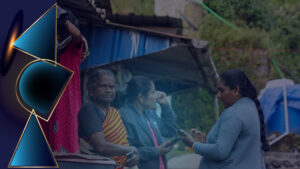
The Amrita Center for Wireless Networks and Applications

The Amrita Center for Wireless Networks and Applications earned the recognition for their work integrating landslide early warning technology and engaging communities for emergency preparedness and resilience in the Himalayas & Western Ghats regions of India. The organization has effectively predicted landslides and saved lives through their communication and emergency training within affected communities. The Amrita Center deployed the world’s first wireless sensor network for landslide monitoring and early warning in Munnar, Western Ghats, and Sikkim, Himalayas. Amrita developed a strategy predicated on bridging the gap between technology and impacted communities. Scientists worked with community members to understand the challenges of living in landslide prone areas and collaborated and co-designed solutions with them. The community members hold social responsibility and actively participate in taking steps for monitoring and reacting when landslide dangers are imminent. The collaborative approach resulted in better technology that protects communities and saves lives. While the number of landslides in the region has increased in recent years, countless lives have been saved as a result of their early warnings and community engagement.

David Lallemant, co-founder of the ADA and an Assistant Professor at Nanyang Technological University, expressed, “The Averted Disaster Award’s objective is to bring attention to effective risk reduction interventions that often go unnoticed. India, one of the world’s most disaster-prone countries, faces a significant landslide threat in areas like Munnar and its surroundings. With the Averted Disaster Award, our aim is to illuminate impactful initiatives such as this one, facilitating their replication, adaptation, and scaling in communities that require them.”

Shanna McClain, Disasters Program Manager at NASA, ADA Selection Committee Member and host of the award ceremony said, “Amrita’s collaborative approach bringing together scientists and the community is an example of best practice in developing effective disaster risk technology.” McClain added, “When at-risk communities are engaged as implementing partners from the outset, they are more likely to follow emergency guidance and develop long-term community resilience.”

The award ceremony featured the premier of a short documentary film titled “Living Without Fear”, which highlights the achievements of the award-winning organization. The documentary can be viewed by clicking on the following link.

The ADA also announced today the Runner-up recipient of the 2023 Averted Disaster Award as well as two additional recognitions. The ADA named the Aga Khan Agency for Habitat Pakistan as the 2023 ADA Runner-up in recognition of their Winter Preparedness Program, a community-based initiative focused on avalanche monitoring and risk reduction in the mountainous regions of Gilgit-Baltistan and Chitral. Addressing the acute lack of weather forecasting systems in these areas, AKAH has established community-based weather monitoring posts (WMP) to monitor the risk. The Winter Preparedness Programme combines technology-driven data with community-led organization to effectively monitor the potential threats of snow avalanches during the winter season. When predefined thresholds are reached, volunteers spring into action to disseminate critical information, facilitating the safe evacuation of at-risk populations and ultimately saving lives.
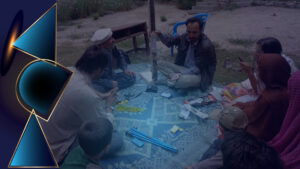
Aga Khan Agency for Habitat

Additionally, the ADA presented Special Recognition for Disaster Risk Communication and Diplomacy to two outstanding organizations. BBC Media Action received this accolade for their East Africa Weather Wise program, a media and communication initiative dedicated to climate action, with a specific focus on aiding drought-affected communities in Kenya. In East Africa, BBC Media Action collaborates closely with local broadcasters and climate scientists to build relationships and enhance weather and climate services. Amidst devastating drought conditions that have severely affected pastoralist herds and left 3.5 million people in dire need of food, families and communities in the three most affected counties of Kenya have reported that strengthened radio programming has been instrumental in their ability to survive and adapt. This has included initiatives such as rainwater harvesting, improved livestock management, and other livelihood adaptations.

BBC Media Action

Furthermore, the ADA acknowledged Prepared International (PPI) for their significant contributions to Disaster Risk Diplomacy among Jordan, Israel, and Palestine, with a central goal of enhancing cross-border disaster preparedness and response coordination within the region. In light of recent developments, their endeavors have acquired even greater significance. This expert dialogue on emergency readiness and life-saving strategies involving Jordan, Israel, and Palestine seeks to fortify regional collaboration for a unified response, particularly in the event of a large-scale earthquake.
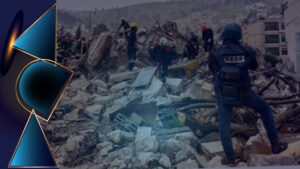
Prepared International (PPI)

To conclude the event, Shanna McClain has announced the official opening of the application period for the Averted Disaster Award 2024. The Averted Disaster Award welcomes submissions from individuals, project teams, and organizations of all sizes, across various regions and industries, whose effective DRM (Disaster Risk Management) interventions have gone unnoticed due to their success. The nominator does not need to have been directly involved in the intervention. The submission deadline is January 12, 2024.

About the ADA:

The Averted Disaster Award recognizes proactive interventions implemented around the world that help ensure that communities continue to function, thrive, and recover quickly in the face of disaster risk. The Averted Disaster Award is an initiative of the Understanding Risk community and is supported by the Global Facility for Disaster Reduction and Recovery (GFDRR).

For more information concerning the ADA, contact info@averteddisasteraward.org

About the 11th Global Dialogue Platforms on Anticipatory Humanitarian Action:


The 2023 Global Dialogue Platform, held both in Berlin and online from October 10 to 12, played host to various significant events. Among them was the announcement ceremony for the Averted Disaster Award. Furthermore, the platform featured a series of strategic workshops designed to delve into the ways anticipatory action can contribute to and play a pivotal role in advancing global initiatives aimed at safeguarding people from the escalating hazards they face. These initiatives encompass the UN’s Early Warning for All (EW4All) program, as well as the efforts of the G7 and V20 under the Global Shield initiative. Eminent experts, practitioners, and high-ranking government representatives actively participated in these workshops, enriching discussions and collaborating with attendees to shape the resulting recommendations.

Aligned with the Anticipation Hub’s overarching strategy, the Global Dialogue Platforms adopt a people-centered approach to foster collective ownership of the anticipatory action process. These events draw upon a wealth of knowledge derived from diverse sources, spanning the realms of science, policy, and practical experience in the field of anticipatory action.

The Global Dialogue Platform is proudly hosted by the Anticipation Hub, a collaborative venture between the German Red Cross, the International Federation of Red Cross and Red Crescent Societies (IFRC), and the Red Cross Red Crescent Climate Centre. The platform’s organization is a joint effort involving key partners, including the Food and Agriculture Organization of the United Nations (FAO), the World Food Programme (WFP), Start Network, and the United Nations Office for the Coordination of Humanitarian Affairs (OCHA), with valuable support from the German Federal Foreign Office.

Averted Disaster Award 2023 – Winner

Amrita Center for Wireless Networks & Applications

For their intervention

“Building a Resilient Community by Integrating Technology and Social Science for Disaster Early Warning”

In recent years, India has been grappling with an escalating frequency of natural disasters, and among these, landslides have emerged as a particularly impactful threat. The Himalayan and Western Ghats regions in the country are especially vulnerable to landslides, leading to numerous casualties each year. To address this pressing challenge, Amrita Vishwa Vidyapeetham, India, has pioneered a groundbreaking solution – AI-enabled Internet of Things (IoT) Landslide Early Warning System (Amrita-LEWS).
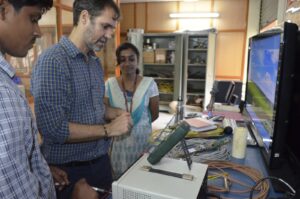
Landslides triggered by factors such as extreme rainfall, improper drainage, and human development activities have wreaked havoc on regions like Munnar in the southern state of Kerala. For years 2018 through 2022, the Munnar community has faced perilous situations during the monsoon season, jeopardizing their lives, livelihoods, and security. To combat this, Amrita Vishwa Vidyapeetham introduced the Amrita-LEWS, an innovative system consisting of more than 150 sensors strategically placed underground, ranging from the surface level to bedrock.

This system is a sophisticated amalgamation of AI, IoT, and data analytics. It continuously monitors an array of parameters – from rainfall, seismic actions, and moisture levels to pore pressure, vibrations, and inclinations. The collected data is then analyzed to predict the onset of landslides with impressive accuracy.
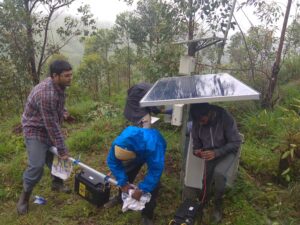
Notably, the system incorporates AI and machine learning techniques to forecast landslides with a lead time of 3 to 24 hours, thus providing a crucial window for evacuation and disaster preparedness.

What sets the Amrita-LEWS apart is its ability to monitor various types of parameters and offer multi-scale warnings for different types of landslides. By seamlessly integrating meteorological, geological, and hydrological data through an IoT framework, the system delivers timely and reliable early warnings. The technology has been rigorously tested, validated, and refined through real-world deployments, ensuring its effectiveness.

A more advanced iteration of this system has been operational in Chandmari, Sikkim, since 2018. Covering over 32 hectares, this extended version employs an array of geotechnical and geophysical sensors to monitor factors like moisture levels, pore water pressure, ground vibrations, tilting, and strain. Weather stations equipped with environmental sensors keep track of rainfall, temperature, humidity, solar radiation, wind speed, and atmospheric pressure. The real-time data from these sensors is transmitted to Amrita’s Control Center, where it undergoes detailed analysis to generate accurate predictions and facilitate informed decision-making.

This technological marvel hasn’t just remained confined to laboratories – it has proven its mettle in the field. Amrita’s IoT system has successfully issued early warnings for landslides on numerous occasions, including critical instances like July 2009, August 2011, August 2013, and more recently, in July and August of 2018, 2019, 2020, 2021, 2022 and 2023. These timely alerts have played a pivotal role in safeguarding the lives and properties of the Munnar community.

Two striking examples highlight the system’s effectiveness: In August 2020 and August 2022, regional landslide warnings were issued for the Western Ghats, specifically Munnar. In both instances, devastating landslides occurred within a mere 20 kilometers of the deployment sites shortly after the warnings. These incidents stand as testament to the reliability and accuracy of Amrita’s early warning system.

Yet, Amrita’s commitment to disaster management goes beyond technology. The institution is deeply engaged in fostering community resilience through comprehensive programs. Initiatives like the Landslide Tracker, a collaborative mobile app, and the Amrita Kripa app for real-time disaster management underscore their dedication to involving the community. Additionally, Social Media Mining Platform focuses on harnessing social media data for swift and inclusive multi-hazard event detection, aiding rescue and relief operations.
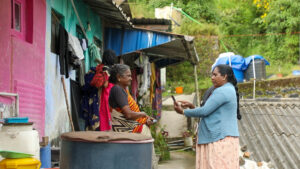
By intertwining technological prowess with community empowerment, Amrita Vishwa Vidyapeetham is revolutionizing disaster preparedness and mitigation. Through a decade-long journey of research, development, deployment, and operation, their AI- and IoT-driven systems have proven instrumental in not just saving lives, but also making communities self-reliant and resilient in the face of natural disasters. The experiences gleaned from real-world deployments in both the Western Ghats and the North-east Himalayas stand as a testament to the transformative power of technology when combined with a vision for societal betterment.

Congratulations Amrita Center for Wireless Networks & Applications

For more information please visit the Amrita website.

Averted Disaster Award to Announce 2023 Winners at the 11th Global Dialogue Platform

25 September 2023

The Averted Disaster Award, an innovative competition that brings visibility to successful disaster-risk-mitigation interventions around the world, will announce its 2023 winners at the 11th Global Dialogue Platform on Anticipatory Humanitarian Action. The award ceremony on day three of the conference will include a documentary film about the winners.  

Launched in 2022, the Averted Disaster Award uses counterfactual analysis to shed light on ‘what might have been’ had a risk-reduction intervention not been implemented. It seeks to recognize successful initiatives that often go unnoticed precisely because of their success.  

Prof. David Lallemant, Head of the Disaster Analytics for Society Lab at Nanyang Technological University, Singapore, and a founding member of the award, said: “While the news often highlights catastrophes, it doesn’t focus on the buildings that stayed standing due to earthquake-resistant building codes, the wildfires avoided due to successful forest management, or the early warning systems that saved lives in a typhoon.”  

The ceremony will be hosted by Dr Shanna McClain, Disasters Program Manager at NASA and a member of the award’s selection committee. Dr McClain said: “Since we launched in 2022, the Averted Disaster Award has served as a platform to raise global awareness of the important work of many thousands of people around the world who are saving lives and protecting property through successful disaster-risk-management interventions.”  

She added: “There are many remarkable initiatives out there that prove unequivocally that we can adapt to and manage the many global challenges we face from natural hazards and climate change. We are excited to share the 2023 winners and showcase their best practices and innovations in disaster risk management.”  

The Averted Disaster Award ceremony will take place at 16:10 on 12 October 2023 at the Global Dialogue Platform, held in Berlin, Germany, and hosted by the Anticipation Hub. Members of the winning intervention will be present at the ceremony and available to the press.  


About the Averted Disaster Award 

The Averted Disaster Award is the premier recognition of successful disaster mitigation interventions that go unnoticed precisely because of their success. In the world of disaster risk management, success means ‘nothing happens’ and, as a result, can cause policy-makers and society at large to undervalue the importance of proactive intervention. The Averted Disaster Award sheds light on successes in disaster risk management and ‘what might have been’ to recognize the outstanding work of those who invest in measures that keep our communities and world safe. 

About the Anticipation Hub  

The Anticipation Hub was launched in December 2020 as a joint initiative of the IFRC, the German Red Cross and the Red Cross Red Crescent Climate Centre. Through its website, working groups and publications, the Anticipation Hub provides a space for people to learn and exchange knowledge about anticipatory action. It also hosts and convenes the annual Global Dialogue Platforms on Anticipatory Humanitarian Action, as well as the Regional Dialogue Platforms that take place in Africa, Asia-Pacific and the Americas. As of September 2023, the Anticipation Hub has 116 partners from more than 40 countries.  

www.anticipation-hub.org  

About the 11th Global Dialogue Platform on Anticipatory Humanitarian Action  

This year’s Global Dialogue Platform will take place from 10 to 12 October 2023, in Berlin and online. As well as hosting the Averted Disaster Award presentation ceremony, it will stage a series of strategic workshops to explore how anticipatory action can support, and play a major role in achieving, some of the global initiatives to protect people from the rising threat of hazards. These include the UN’s Early Warning for All initiative and the G7 / V20 Global Shield. Experts, practitioners and high-level government representatives will be part of these workshops to inform discussions and, with participants, guide the recommendations that arise.  

Aligned with the Anticipation Hub’s strategy, the Global Dialogue Platforms follow a people-centred approach to create shared ownership of the anticipatory action process. The events are inclusive, promoting and encouraging diversity; they also draw extensively on the different types of knowledge about anticipatory action that are generated through science, policy and practice. In 2022, the Regional and Global Dialogue Platforms brought together more than 2,000 participants from 140 countries.   

https://events.anticipation-hub.org/global-dialogue-platform-2023/about/  

This content is password-protected. To view it, please enter the password below.

Averted Disaster Award 2022

Honorable Mention

GeoHazards International, Landslide and Earthquake Risk Reduction, Aizawl India

We are proud to honor GeoHazards International and their efforts in landslide and earthquake risk reduction in Aizawl, India as a 2022 Averted Disaster Award Honorable Mention.

Since 2011 GeoHazards International (GHI) has served as a technical partner and advisor to the city of Aizawl, India in order to assist as they make progress in disaster resilience. Aizawl is a city in northeast India, located in its highest seismic hazard zone V where earthquakes of intensities above IX are expected. In addition to the high risk of earthquakes, annual monsoon rains in the area also trigger frequent and sometimes deadly landslides. With a population of 300,000 (per 2011 census), that is expected to double by 2030, the GHI team recognized the significant risk to life and livelihoods and the importance of implementing development practices to increase the city’s resilience in the face of a disaster.

In order influence the community to proactively implement interventions, GHI developed a scenario to demonstrate the consequences of a moderate, not worst-case, but hypothetical magnitude 7 earthquake and shaking triggered landslides. They presented their findings to policymakers and the public to help them visualize the specific impacts of the risk they face. This painted a stark picture of the collapse of 14,000 buildings (nearly 30% of all buildings), over 1,000 landslides and 25,000 fatalities (over 8% of the population at the time) as well as major damage to utilities and infrastructure. The estimates were even worse during monsoon season when wet conditions make slopes more prone to sliding.

GHI team members assisted the city as it launched the Landslide Policy Committee for Aizawl Municipal Corporation (AMC) with municipal, state, and technical participants. The Committee created a landslide safety Action Plan to prevent or remediate landslides based on the findings from the scenario, many of which have been or are in the process of being implemented. Examples of actions taken include:

· New site development regulations, which include controls on excavations that can destabilize slopes.

  • High risk areas identified, mapped and used to create landslide hazard maps. These maps make it possible to enforce the site development regulations.
  • Local professionals were trained on the new regulations.
  • Hiring of geologists to implement the site development regulations.
  • AMC empaneled 95 geologists, 142 engineers, 7 geotechnical engineers, and 9 firms to cater to the increased demands for regulatory approvals following the slope modification regulations.

Aizawl has become a model city for other fast-growing hill cities in the region. It’s the only city in India with municipal geologists that guide the city towards safer development. It’s also the only Indian city with slope modification regulations and detailed landslide hazard maps to enforce the regulations. India’s National Disaster Management Agency recognized Aizawl as an example for hill cities across the country.

GeoHazards International attributes persistence, sustained efforts and genuine local engagement as the keys to making a lasting difference.

Congratulations to GeoHazards International!

For more information about GeoHazards International visit GeoHazards International | Menlo Park | Disaster Preparedness

Averted Disaster Award 2022

Honorable Mention

Project NOAH, Philippines

We are proud to honor the works of Project NOAH as an Honorable Mention for the 2022 Averted Disaster Award.

The Philippine government created Project NOAH as the Department of Science and Technology’s (DOST) integrated disaster prevention and mitigation program in 2012. It was designed to employ science and technology to generate accurate data and address the conditions needed to make informed decisions for disaster risk reduction activities, through national government agencies, partners in the private sector and the academic community. Project NOAH seeks to fulfill its vision of disaster-free and empowered communities by providing open access to accurate, reliable, and timely hazard and risk information that has been updated and enhanced using advanced technology. It also undertakes research projects to develop technologies and tools that further build the capacity of the government and the public in disaster preparedness and response.

The Philippines is constantly under threat from natural hazards from typhoons, tsunamis, earthquakes, volcanic eruptions, and landslides. This is further compounded by the extreme weather conditions created by climate change, as well as ongoing infrastructure development and population growth. As a result, disasters continually inflict greater costs on the country, both in terms of damage to property and loss of life. This situation will persist, and even worsen, unless specific measures are immediately undertaken to specifically address the ability to provide enough lead time for vulnerable communities to prepare and withstand disasters.

To address these issues Project NOAH mapped the country’s flood, landslide and storm surge hazards and significantly improved the resolution of hydrometeorological hazard maps. The NOAH program also introduced the use of Web Geographic Information Systems in communicating hazards and developed a People-Centered Early Warning System in their disaster risk reduction efforts. Additionally Project NOAH has deployed more than 1,000 automated weather stations, rain gauges and flood sensors that stream near real-time data over the NOAH website. They have also institutionalized a strategic communications project that allowed the agency to provide hazard specific, area=focused and time-bound warnings to the public.

The compounded impact of investment in these disaster mitigation areas has resulted in significant lives, property and livelihoods saved. Through Project NOAH the Philippines government is creating a culture of safety and resilience in communities and changing the way we perceive and experience disaster events.

Congratulations Project NOAH!

For more information about Project NOAH visit Project NOAH (Nationwide Operational Assessment of Hazards) – NOAH Center (up.edu.ph)

The Averted Disaster Award releases free-access documentary about 2022 award winning project

Press Release

Bangladesh, December 16, 2022 – “Rivers of Hope”, the short documentary film about the 2022 Averted Disaster Award Winner, the Bangladesh Red Crescent Society (BDRCS), premiered today on the ADA YouTube channel. 

Directed by award winning filmmaker Doel Trivedy, “Rivers of Hope” highlights the work of BDRCS telling the stories of three families who have been impacted by the Super Cyclone Amphan and the successive extreme events in Bangladesh May-July 2020. BDRCS provided forecast-based financing, to vulnerable communities in Bangladesh when disaster strikes. Following the daily activities of these three families, resource distribution and finally actions the families take themselves to move out of danger, we can learn how to mitigate the adverse impacts resulting from climate crisis and the increasing occurrence of extreme weather events

The Averted Disaster Award (ADA) partnered with WaterBear, a free streaming platform dedicated to the future of our planet, to produce the documentary. Founded by Ellen Windemuth, the executive producer of BAFTA and Oscar winning documentary My Octopus Teacher, Waterbear is available across 194 countries and features award-winning documentaries as well as original content – spanning biodiversity, community and climate action.

The film was funded in part by pioneering storytelling Resilient Foundation which gives local filmmakers, storytellers and communities around the world the opportunity to tell important stories. Michael Cain, Executive Director of Resilient Foundation said, “We are pleased to join the Averted Disaster Award to help make the invisible, visible by highlighting successful Disaster Risk Management interventions. This work, which typically goes unnoticed by the public and policy makers precisely because of its success, is critical to building a sustainable world in this era of extreme climatic events.”

The official release of the film took place during the Understanding Risk Global Forum in Florianopolis, Brazil, on November 29th, when only those participating in the forum were able to watch the documentary. However, today is the first day of the public, online release and you can access it, for free, from any part of the world. “Rivers of Hope” will be also distributed on WaterBear’s free streaming platform.

About

The Averted Disaster Award is an innovative new award that aims to bring visibility to successful disaster mitigation interventions. The award recognizes proactive interventions implemented around the world that help ensure that communities continue to function, thrive, and recover quickly in the face of disaster risk. The Bangladesh Red Crescent Society was announced as the 2022 Averted Disaster Award winner at The Understanding Risk Global Forum (UR22) in Florianopolis, Brazil, a biennial conference that convenes experts and practitioners from all around the world to showcase the best practices and latest innovations in the field of disaster risk identification and management.

The 2023 Averted Disaster Award is open to submissions from individuals, project teams and organizations of all sizes, regions and industries who wish to see particular interventions recognized. Additional information about nomination requirements can be found at www.averteddisasteraward.org. 

Averted Disaster Award 2022

Runner Up/Intervention of Distinction

Build Change

Resilient Housing, Philippines

We are proud to honor Build Change and their efforts in resilient housing in the Philippines as a 2022 Runner Up/Intervention of Distinction.

 Since 2014 Build Change has implemented resilient housing solutions in the Philippines and provided engineering, technology, and lending solutions to design, build and finance over 3,000 safer buildings.  This represents 40,000 people living and learning in safer houses and schools. They facilitated behavioral change in homeowners and builders by training over 5,000 people in safe construction practices creating 600 jobs.

The Philippines ranks as the eighth most disaster-prone country in the world based on the World Risk Index.  The country is particularly exposed to typhoons, flooding, earthquakes, and landslides.  In 2019 Build Change estimated there were over 15 million vulnerable housing units in the Philippines urgently needing improvements with the vast majority belonging to poor and low-income families.  In 2020 alone, over 5 million Filipinos and more than 425,000 homes were negatively impacted by typhoon and earthquake events.

The experience of Eusi and Helen Raloso is one example of disaster averted through resilient housing efforts.  On November 8, 2013 the Raloso’s first home was destroyed by Typhoon Yolanda.  They hid under a table for protection while their house collapsed around them.  Their son was injured.  They thought they would die. 

The family received emergency food, water, and clothing. Then, with engineering, construction, and financial assistance from Build Change and its partners, Eusi and Helen built back better. They constructed a stronger, disaster-resilient home. Helen managed the money and Eusi managed the builders.

The strength and safety of the Raloso’s new home has been tested since it was built in 2014, withstanding the increasing frequency and intensity of climate change induced weather for nearly eight years. After Typhoon Yolanda (Haiyan), some of the most devastating typhoons have followed a similar path through their community. Further, the Raloso’s home has served as an evacuation center for family members and neighbors.

Build Change recognizes that a home is the ultimate protection for families.  Resilient housing not only mitigates risk of damage or collapse, but enhances the wealth, health and well-being of occupants.  Resilient housing helps save lives, protect assets, create jobs and spur local economies.  They prevent the loss of livelihoods, prevent relocation and irregular migration after a disaster and help provide a cost effective and long-term solution to the qualitative housing deficit.

Elizabeth Hausler, the founder and CEO of Build Change says “It is completely possible to build and strengthen houses to better withstand earthquakes, windstorms and other hazards and prevent such a disaster.  It’s not the earthquake or typhoon that kills people, it’s the collapse of a poorly built structure…it just takes the right combination of people, political will, financing and technology to solve it’.

Congratulations to Build Change!

For more information about Build Change visit Build Change | Build Disaster Resistant Buildings and Change Construction Practices Permanently

Averted Disaster Award 2022 – Winner

Bangladesh Red Crescent Society

Forecast-based Financing, Bangladesh

We are proud to honor the Bangladesh Red Crescent Society as the winner of the 2022 Averted Disaster Award for their efforts in Forecast-based financing in Bangladesh!


The Bangladesh Red Crescent Society won the Averted Disaster Award for their work providing forecast-based financing to vulnerable communities during successive extreme events in Bangladesh May-July 2020.  On May 20, 2020 Super Cyclone Amphan made landfall in Bangladesh.  A few weeks later monsoon flooding affected Bangladesh for several weeks reaching their highest levels since 1988.  37% of Bangladesh’s landmass was flooded and affected 5.4 million people in the north, northeast and center of the country.

Forecast-based financing, an anticipatory approach implemented by the Red Crescent Society proved highly effective at averting the impacts of floods and cyclones in Bangladesh. In this approach, weather and climate forecasts are combined with risk analysis to predict when and where a hazard will strike. Once a certain trigger level (i.e. the water level in a river) is reached, a pre-agreed amount of humanitarian funding is released for a series of predefined early actions. These actions aim to save lives and minimize the hazard’s impacts.

Prior to forecast based financing, disasters such as cyclones and flooding would destroy livelihoods, forcing people to sell their livestock at low prices or take burdensome loans, perpetuating the cycle of poverty. Recipients of the funds were able to secure their homes and assets before the storm, allowing them to evacuate to shelters, reducing the number of injuries and fatalities.  They were also able to buy livestock or replace fishing or farming equipment, allowing them to recover their livelihoods more quickly than those who did not receive the funds.  The work of BDRCS has saved lives and increased the resiliency of communities throughout Bangladesh.

The work of BDRCS was highlighted in a short documentary film where the personal experiences of three families who have benefitted from the awarded program are narrated.  Directed by award winning director, Doel Trivedy and titled “Rivers of Hope” the film aims to bring to light the life-saving benefits of anticipatory action and forecast-based financing and serve as inspiration to other communities disaster mitigation efforts.

Congratulations Bangladesh Red Crescent Society!

For more information about the Bangladesh Red Crescent Society visit BDRCS | Bangladesh Red Crescent Society